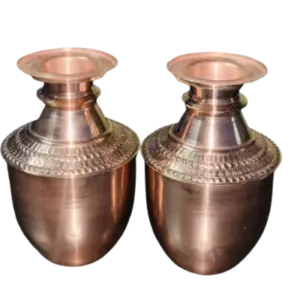
In a world where modern lifestyles are pushing people to reconnect with nature and traditional wellness, copper pots have quietly made their way back into kitchens and routines, not just as pretty decor, but as powerful tools for better health. But did you know? Long before copper bottles became an Instagram wellness trend, ancient civilizations, including those in Nepal and India, were already using copper for its healing properties.
At iMartNepal, we don’t just sell copper pots; we preserve the cultural wisdom behind them. Here’s why copper cookware and vessels are more than just a trend. Many people also prefer storing drinking water in traditional copper bottles for daily wellness benefits.
1. The Science Behind Copper: Why It Matters
Copper is a trace mineral that the human body needs for:
- Forming red blood cells
- Boosting the immune system
- Supporting heart and brain health
- Aiding iron absorption
When water is stored in a pure copper vessel for 6–8 hours, a natural purification process called the oligodynamic effect occurs, killing harmful bacteria and enriching the water with copper ions. Handcrafted copper utensils are widely used in Nepali households for both cooking and decorative purposes.

Drinking from copper vessels may help with:
- Digestion problems
- Joint pain and arthritis
- Slowing down ageing (it’s packed with antioxidants!)
- Balancing all three doshas in Ayurveda: Vata, Pitta, and Kapha
Our handpicked singing bowls


2. Cooking in Copper: Tradition Meets Taste
Copper pots are not just for water storage. Many traditional Nepali kitchens have used copper cookware for generations, especially for preparing sweets, curries, or temple offerings. Copper heats evenly and quickly, which means:
- Faster cooking
- Energy efficiency
- Better flavor retention in food
Note: Always use tin-lined (kalai) or stainless steel-lined copper cookware for cooking, as direct contact with acidic foods can be harmful.
3. Cultural Wisdom: Copper in Nepali Households
In Nepali households, Gagri (traditional copper water pots) are often passed down through generations — not just for their utility but as spiritual and symbolic items. They’re used:
- In daily rituals and pujas
- During weddings and cultural ceremonies
- As decorative heirlooms that carry stories of the past

Nepalese Copper Gagri
A handmade vessel, traditionally used in Nepali households—now also popular for decoration, puja, and festivals like Dashain and Deepawali.
At iMartNepal, our copper pots are handmade by skilled artisans who carry this knowledge forward.https://imartnepal.com/handmade-items/dashain-special/copper-nepali-khadkulo

4. Caring for Your Copper Pot
To keep your copper items looking beautiful and functioning well:
Cleaning Tips:
- Use lemon and salt or tamarind paste to remove tarnish
- Avoid using harsh dishwashers or steel wool
- Dry immediately after washing to prevent stains

For drinking water use:
- Clean every 2–3 days
- Store only fresh, clean water
- Do not refrigerate copper bottles, keep at room temperature
5. Why Choose Copper from iMartNepal?
Authentic craftsmanship: Our copper pots are handmade in Nepal by local artisans.
Sustainable: Copper is recyclable and lasts for decades.
Culturally rich: Every pot you buy supports traditional Nepali art and rural livelihoods.
When you buy a copper product from iMartNepal, you’re not just making a purchase — you’re embracing wellness, heritage, and craftsmanship. Nepal is also known for handmade Himalayan singing bowls crafted using traditional metalworking techniques. Himalayan singing bowls

Conclusion
Copper pots are not just beautiful pieces of decor they’re ancient tools of health, balance, and tradition. Whether you’re drinking from a copper gagri, decorating your home with handcrafted Nepali cookware, or giving a meaningful gift you’re taking part in a legacy that’s lasted centuries.
So the next time you pour yourself a glass of water from a copper vessel, remember: this isn’t just a trend it’s timeless wisdom, now in your hands. Traditional crafts like Dhaka weaving and handmade metalwork continue to preserve Nepal’s rich artisan heritage. Dhaka weaving