Introduction
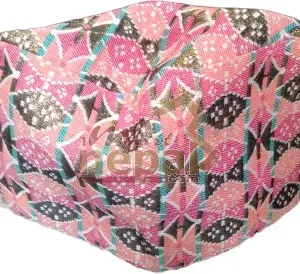
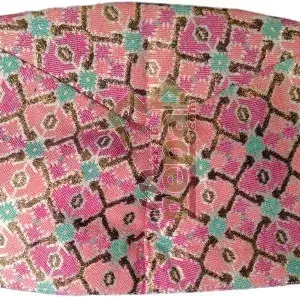
Dhaka weaving is one of Nepal’s most celebrated textile traditions, known for its intricate geometric patterns, vibrant colors, and deep cultural symbolism. Originating from the eastern hills of Nepal—particularly in regions like Palpa and Tehrathum—Dhaka fabric is more than just cloth; it is a reflection of identity, heritage, and artistry passed down through generations. Explore our authetic handmade Dhaka products crafted by Nepali artisans. 
Historical Background
The word “Dhaka” is believed to be inspired by the fine muslin textiles once produced in Dhaka (now the capital of Bangladesh). However, Nepali Dhaka has evolved into a unique craft of its own. It gained prominence during the 19th and 20th centuries when it became associated with traditional attire, especially the iconic Dhaka Topi, worn by Nepali men as a symbol of national pride.
Over time, the craft spread across different regions, with Palpali Dhaka becoming especially famous for its superior quality and detailed patterns.
Our handpicked Dhaka Topi

The Craftsmanship Behind Dhaka
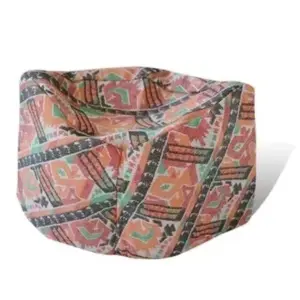
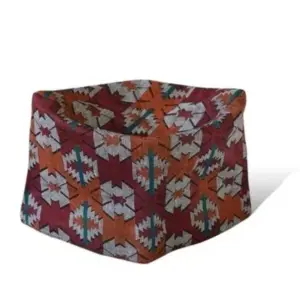
Dhaka weaving is a labor-intensive process that requires patience, precision, and creativity. Artisans use traditional handlooms to interweave colorful threads into complex geometric designs. Unlike printed fabrics, Dhaka patterns are woven directly into the fabric, making each piece unique.

Thread preparation:
Cotton or silk threads are dyed in vibrant colors.
Pattern setting:
Designs are manually arranged on the loom.
Weaving:
Skilled artisans interlace threads row by row to create patterns.
The process can take several days to weeks depending on the complexity of the design.
Cultural Significance
Dhaka fabric holds a special place in Nepali culture. It is widely used in:
- Traditional attire: Dhaka Topi, shawls, sarees, and kurta sets
- Ceremonial wear: Worn during festivals, weddings, and national celebrations
- Symbol of identity: Represents pride, tradition, and craftsmanship
For many, wearing Dhaka is a way of honoring their roots and preserving cultural heritage.
Modern Adaptations
In recent years, Dhaka weaving has found new life in contemporary fashion and design. Designers are incorporating Dhaka fabric into:
- Jackets and western-style outfits
- Handbags, wallets, and accessories
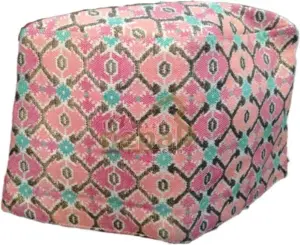
- Home décor items like cushion covers and table runners
This fusion of tradition and modernity has helped Dhaka gain global recognition, especially among diaspora communities and international buyers seeking authentic handmade products.
High Quality Dhaka Topi
The <strong data-start="184" data-end="216">High-Quality Dhaka Topi/Hat</strong> is a traditional black cap crafted from <strong data-start="257" data-end="285">100% cotton Dhaka fabric</strong>, renowned for its lightweight and breathable properties.
Challenges and Preservation
Despite its beauty and cultural importance, Dhaka weaving faces several challenges:
- Declining number of skilled artisans
- Competition from machine-made imitations
- Limited global awareness
Efforts are being made by local organizations and entrepreneurs to preserve this heritage by promoting handmade Dhaka products, training new artisans, and expanding international markets.
Conclusion
The art of Dhaka weaving is a timeless testament to Nepal’s rich cultural heritage and artistic excellence. Each piece tells a story of tradition, patience, and identity woven into every thread. As the world increasingly values handmade and sustainable products, Dhaka weaving stands as both a cultural treasure and an opportunity for global appreciation. Nepal is also globally recognized for traditional handmade singing bowls used in meditation and healing.
Discover more authentic handmade Nepali crafts at iMartNepal.
Looking for authentic handmade Dhaka products from Nepal? Explore our collection and support local artisans preserving this timeless tradition.