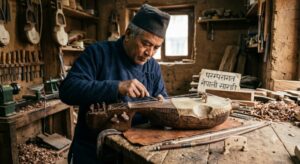
Discover 10 fascinating facts about the Nepali Sarangi, Nepal's iconic handmade folk instrument. Learn about its rich history, traditional craftsmanship, cultural significance, and why this timeless instrument continues to inspire musicians and collectors around the world.
imartnepal
4 min read
The Nepali Sarangi is more than just a musical instrument—it is a symbol of Nepal’s rich cultural heritage, centuries-old traditions, and the incredible craftsmanship of local artisans. With its soulful melodies and handcrafted beauty, the Sarangi has captivated musicians, travelers, and collectors around the world.
Whether you’re a music enthusiast, a collector of handmade crafts, or simply curious about Nepal’s traditions, here are ten fascinating facts about the Nepali Sarangi that might surprise you.
1. The Sarangi Is Entirely Handmade
Unlike many modern instruments produced in factories, a traditional Nepali Sarangi is handcrafted by skilled artisans using techniques passed down through generations.
Each piece is carefully carved, assembled, and tuned by hand, making every Sarangi unique in appearance and sound.
2. It Has Been Part of Nepalese Culture for Centuries
This traditional instrument has a long history in Nepal and has been played for generations during festivals, family gatherings, and community celebrations.
Its music reflects Nepal’s traditions, emotions, and stories, making it one of the country’s most cherished folk instruments.
3. The Gandharva Community Helped Preserve the Tradition
Historically, this traditional instrument has been closely associated with the Gandharva community, traditional folk musicians who traveled from village to village.
They entertained communities while sharing news, legends, historical events, and folk tales through music, long before newspapers or digital communication existed.
4. The Instrument Can Mimic the Human Voice
One of the Sarangi’s most remarkable qualities is its expressive sound.
Many musicians believe the instrument closely resembles the tone and emotion of the human voice, allowing performers to express joy, sorrow, hope, and nostalgia with incredible depth.
5. Every Piece of Wood Has a Purpose
Crafting a Sarangi requires selecting the right type of hardwood to achieve durability and excellent sound quality.
The quality of the wood greatly influences the instrument’s resonance, tone, and lifespan, making material selection an essential part of the crafting process.
6. It’s Not Just a Musical Instrument-It’s a Piece of Art
Even when not being played, a handmade Nepal’s iconic folk instrument serves as a beautiful decorative piece.
Its elegant curves, hand-carved details, and natural wooden finish make it popular among collectors, cultural enthusiasts, and home décor lovers around the world.
Because every Sarangi is individually handcrafted, each instrument has its own unique wood grain, carving details, finish, and tonal characteristics.
Owning a handmade Sarangi means owning a truly one-of-a-kind creation.
8. Learning the Sarangi Requires Patience
While the Sarangi produces beautiful melodies, mastering it takes dedication.
Players use a bow to create sound while carefully controlling finger placement to produce expressive notes, making it one of the more challenging traditional instruments to learn.
9. The Sarangi Represents Nepal’s Living Heritage
Every Sarangi tells a story—not only through its music but also through the artisans who create it.
By purchasing an authentic handmade Sarangi, you’re helping preserve traditional craftsmanship and supporting the livelihoods of skilled Nepalese artisans.
10. The Sarangi Is Loved Around the World
Today, this musical heritage has found admirers far beyond Nepal.
Travelers often bring one home as a meaningful souvenir, musicians appreciate its distinctive sound, and collectors value its craftsmanship and cultural significance. As global interest in handmade products continues to grow, this musical heritage has become an ambassador of Nepal’s artistic heritage.
Why Choose a Handmade Nepali Sarangi?
The traditional string instrument is more than an instrument—it’s a connection to Nepal’s traditions and the artisans who keep those traditions alive.
At iMartNepal, every Sarangi is carefully sourced from skilled craftspeople who continue the art of handmade instrument making. Whether you’re looking for a playable instrument, a unique cultural gift, or an authentic decorative piece, a handcrafted Sarangi brings the spirit of Nepal into your home. Traditional folk music is an important part of Nepal’s cultural identity, as recognized by UNESCO.
Every handmade Sarangi has a story, and so does the artisan who creates it. At iMartNepal, we proudly work with skilled Nepalese craftspeople who continue the tradition of handmade musical instrument making. Learn more about the craftsmanship, techniques, and inspiring journey behind these beautiful instruments in our Meet the Maker blog featuring the artisan who keeps this heritage alive.
Join 2,400+ subscribers. Buying guides, artisan stories, and new arrivals — twice a month, no spam.
Frequently asked questions
The Sarangi has traditionally been played by the Gandharva community, who shared stories, history, and folk music through their performances.
A handmade Sarangi is crafted by skilled Nepalese artisans using carefully selected hardwood. Each instrument is carved, assembled, polished, and tuned by hand, making every Sarangi unique in appearance and sound.
Yes. Learning the Sarangi requires patience and regular practice. Since it is played with a bow and relies on precise finger placement, it is considered one of Nepal's more challenging traditional musical instruments.
Discover 10 fascinating facts about the Nepali Sarangi, Nepal's iconic handmade folk instrument. Learn about its rich history, traditional craftsmanship,…