


Old Techniques vs. New Trends
Nepal has always been a land where art is not just decoration, but a way of life. From temple carvings and sacred paintings to everyday household objects, art has been deeply woven into Nepali culture for centuries. Over time, Nepali art has evolved, adapting to changing lifestyles, technologies, and global influences, while still retaining its cultural soul.
This journey from traditional techniques to modern trends tells a powerful story of continuity, creativity, and resilience. https://imartnepal.com/handmade-items/nepali-thangka/zambala

Traditional Nepali Art: Rooted in Culture and Spirituality
Historically, Nepali art has been closely tied to religion, rituals, and community life. Artists were often artisans working for temples, palaces, and households, and their skills were passed down through generations.https://imartnepal.com/handmade-items/art-and-paintings/mithila-paintings/celebrating-motherhood-mithila-painting
Key Traditional Art Forms
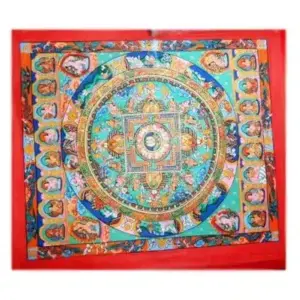
- Paubha and Thangka Paintings – Sacred paintings depicting deities, mandalas, and spiritual stories, created using natural pigments and strict iconographic rules.
- Mithila Art – A folk art form from the Terai region, traditionally painted by women using natural dyes and symbolic patterns representing nature, gods, and daily life.
- Wood and Stone Carving – Intricate carvings seen in temples, windows, doors, and statues, especially in the Kathmandu Valley.
- Metal Crafts – Bronze and copper statues of Hindu and Buddhist deities made using the lost-wax casting technique.

Traditional Techniques
- Use of natural colors derived from plants, minerals, and stones
- Handmade tools and labor-intensive processes
- Strong emphasis on symbolism and spiritual accuracy
- Skills are transferred through family lineages and apprenticeships
Traditional art was less about personal expression and more about preserving cultural and religious values.Traditional crafts like Dhaka weaving continue to preserve Nepal’s artistic identity while adapting to modern styles and global audiences.
https://imartnepal.com/handmade-items/art-and-paintings/mithila-paintings/radha-krishna-vibrant-folk-painting
The Shift: Changing Times and New Influences
As Nepal opened up to the world through trade, tourism, and globalization, art began to change. Urbanization, education, and exposure to international styles introduced new ideas and possibilities.
Artists slowly started moving beyond purely religious themes, experimenting with new subjects, materials, and forms.
Our handpicked Arts and Paintings


Modern Nepali Art: Innovation Meets Identity
Today’s Nepali art scene is a blend of heritage and modern creativity. Contemporary artists respect traditional roots while expressing personal stories, social issues, and global perspectives.

New Trends in Nepali Art
- Fusion Art – Combining traditional motifs (like mandalas or Mithila patterns) with modern colors, abstract styles, or digital design.
- Contemporary Themes – Art addressing identity, migration, gender roles, environment, and political change.
- New Materials – Acrylic paints, canvas prints, mixed media, recycled materials, and digital tools.
- Art for Modern Spaces – Smaller, minimalist, and decorative pieces designed for urban homes and offices.
Unlike traditional art, modern Nepali art allows artists greater freedom of expression while still drawing inspiration from cultural symbols.
The Role of Artisans and Young Artists
One of the most beautiful aspects of Nepali art today is how old and new generations collaborate. Many young artists learn traditional skills from elders and reinterpret them for modern audiences. This ensures that ancient techniques do not disappear but instead evolve.
Platforms like online marketplaces, exhibitions, and social media have also helped Nepali artists reach global audiences, bringing recognition and sustainable income to local communities.
Preserving Heritage While Embracing Change
The evolution of Nepali art is not about replacing the old with the new—it is about balance. By respecting traditional techniques and embracing innovation, Nepali art continues to thrive across generations.
When you bring a piece of Nepali art into your home, you are not just buying décor—you are supporting history, craftsmanship, and a living cultural legacy.

Conclusion
Nepali art has gracefully evolved from sacred temple walls to contemporary living spaces. While styles and materials may change, the heart of Nepali art-storytelling, symbolism, and soul, remains timeless.

At iMartNepal, we celebrate this journey by supporting authentic artisans and showcasing art that bridges tradition and modern living. Today, skilled artisans and makers across Nepal are still preserving centuries-old craftsmanship through their dedication and handmade creations.
Explore our collection and be a part of Nepal’s artistic legacy.


